People in Rossville notice the little things: the crisp line where a driveway meets the lawn, the bright white of eaves under a clear sky, the way a brick walkway looks after a summer shower. It’s a compact community stitched to Chattanooga’s metro rhythm, with humid summers, leaf-heavy falls, and the kind of spring pollen that stains everything a faint yellow-green. Those seasons bring life to the city’s trees, but they also feed algae, mildew, and grime. If you own a home here, you have seen how quickly surfaces dull. Pressure washing, done well, resets the clock. It brings hardscapes and siding back to a clean baseline and makes everything else pop.
I have watched more than a few Rossville homes look ten years younger over the course of an afternoon. It’s not just about blasting dirt. The work calls for restraint, a plan, and the right chemistry for the surface at hand. Done poorly, pressure Power Washing KB Pressure Washing washing strips paint, etches concrete, or forces water under siding. Done correctly, it removes stains you thought were permanent and keeps materials healthy for longer.
How Rossville’s climate affects grime and growth
Humidity drives growth. Long stretches of warm, moist air from late April through September keep surfaces damp, especially the north and east faces of homes that see less sun. Algae blooms leave greenish films across vinyl, composite trim, and painted Hardie boards. Black mildew dots soffits and fascia. After a weekend storm, dirty runoff splashes stucco and brick near grade, which leaves tiger-striping a few inches above the ground.
Spring pollen rides out of nearby tree lines and settles on everything. If you skip a rinse, that pollen binds to dust and becomes a rough film that holds onto more grime. By mid-summer, many driveways develop soft black arcs in high-traffic spots where tire rubber and dust mix in the pores of concrete. Railings and decks facing the backyard stay slick, especially shaded sections that never quite dry.
Fall adds tannin stains from wet leaves. Winter is milder than in the upper South, but freeze-thaw still opens micro-cracks in driveways and walkways. Those cracks collect and hold organic matter, which feeds new growth once the temperature rebounds. In short, our weather conspires to keep a steady layer of organic and mineral buildup on exterior surfaces. The good news is that most of this lifts cleanly with thoughtful washing.
What pressure washing can do, and where caution matters
Pressure washing covers a broad set of tasks, from light rinsing to aggressive cleaning. The trick is choosing the right method for the material.
Vinyl siding responds best to low pressure and a mild detergent. You don’t need to “strip” it. A soft wash approach, which mixes a surfactant with a diluted sodium hypochlorite solution, breaks Pressure Washing Rossville the bond that algae and mildew use to cling. Let the solution dwell briefly, then rinse from the bottom up with low pressure. This avoids forcing water behind panels and prevents streaks. I’ve seen homeowners grab a rental machine and carve wand marks into the siding because they thought higher pressure meant cleaner surfaces. Not here.
Painted wood, Hardie fiber cement, and stucco have their own sensitivities. Paint chalks, and chalk holds grime. Again, chemistry and patience beat force. On stucco, even a fan tip with modest pressure can gouge the texture if you keep the wand too close. You want to soften the growth, then float it off. For Hardie, avoid aiming upward at lap seams. Follow the plank lines, and keep your distance.
Brick and stone can handle more pressure, but the mortar cannot always. Older mortar joints, especially those on homes built before the late 1990s, may be softer. Lean on a medium pressure rinse and focus on pre-treatments that loosen efflorescence and organic staining. You can remove the white mineral blooms with a dedicated efflorescence cleaner after testing a small area. Avoid muriatic acid unless you have experience, the right PPE, and a plan to neutralize and rinse thoroughly.
Concrete and pavers reward consistent technique. A rotating surface cleaner attached to the pressure washer delivers even results, especially on driveways and patios larger than a car space. It keeps water and debris under a skirt, which prevents striping and reduces the chance of blasting pebbles. Degreasers lift stubborn oil spots, but expect older stains to lighten rather than vanish. If you can’t remember when the driveway was last sealed, consider sealing after cleaning. That holds the look and makes the next cleaning easier.
Decks require careful judgment. If you have composite boards, soft wash first, then rinse. If you have pressure-treated pine, use low pressure and a wood-specific cleaner, not raw bleach. You can raise the grain if you go too hard. If the plan includes staining, let the wood dry properly. In our climate, that’s usually 24 to 72 hours of dry weather, longer if humidity spikes.
What curb appeal actually means here
Curb appeal gets tossed around as a vague promise in real estate ads, but there are measurable pieces to it. In Rossville, where most single-family homes sit on small to mid-size lots and buyers often visit from Chattanooga or the Fort Oglethorpe side, first impressions come fast. When a prospective buyer turns onto your street, the eye moves to three anchors: the driveway and sidewalks, the siding or brick face, and the roofline.
A bright driveway that doesn’t bear tire shadows or mildew framing the edges lifts the whole front yard. Clean siding and crisp trim make the front door color read true. If your roof has visible black streaks from algae, those streaks make the house feel older. Gentle roof cleaning, using very low pressure and the right algaecide, reverses that. Never let someone blast shingles. The granules on asphalt shingles protect the roof, and pressure removes them. I’ve seen a roof go from streaky to even gray in an hour with a soft wash treatment, and appraisers do notice when comparing similar homes.
If you are not selling, you still feel the difference. A healthy-looking exterior changes how you care for what’s inside. You notice windows, you wash screens, you sweep the porch more often because it looks worth the effort. That leads to better upkeep across the board.
Common Rossville surfaces and how they clean up
A few examples from actual jobs in Catoosa and Walker counties illustrate what responds well and what needs extra steps.
Two-story vinyl with shaded north face: One house near the state line had algae streaking on the north side that kept returning every six months. The previous contractor had been rinsing with water only, using a mid-grade electric washer. We switched to a soft wash with a 0.5 to 1 percent sodium hypochlorite solution and a surfactant designed to cling briefly, applied from the ground with a long-range nozzle. The dwell time was six minutes on a mild day, then a low-pressure rinse. The mildew didn’t return for about 18 months. The difference wasn’t pressure, it was chemistry and dwell.
Stamped concrete patio with barbecue grease: At a brick home near Mission Ridge, a covered patio had dark splotches around a grill that had been in the same spot for years. A degreaser formulated for concrete, cut according to the label, and a 15-inch surface cleaner knocked down most of it. The older spots needed a second application and agitation with a stiff brush. Final result wasn’t perfect, but the stains faded to where you had to look for them. The owner elected to seal with a penetrating sealer a week later, which evened the tone.
Painted wood porch with flaking rails: Oak pollen and mildew had lifted paint in small sheets. Pressure would have peeled more. We used a wood cleaner and a low-pressure rinse, then hand-scraped what remained loose. The owner planned to repaint, so the cleaning focused on removing contaminants rather than making the old paint look new. That is a judgment call: cleaning can prepare a surface or make it presentable. It rarely does both if the coating has failed.
Roof with black algae streaks: This was a three-tab asphalt roof visible from the street. We applied a soft wash mix through a dedicated pump, not through the pressure washer, at very low pressure. No walking on the roof except at the ridge with safety gear. Plenty of garden prep, including covering plants and rinsing soil. Streaks faded as the treatment dried. Full color returned over the next few days as the algae died and washed away in rain. That roof looked five years younger for a few gallons of solution and a measured approach.
Safety and environmental stewardship
There is a right way to protect people, pets, and plants while you clean. Bleach is common in exterior cleaning because it kills organic growth. It must be used responsibly. Pre-wet landscaping, cover sensitive shrubs, and keep solutions off lawns. Rinse thoroughly after the job. In Rossville’s older neighborhoods where downspouts and surface runoff feed directly to ditches, mind where rinse water flows. Avoid letting detergent-rich water pool on the street. A simple berm with a boomsock can hold water long enough to dilute or redirect it into a gravel area where soil can filter.
Protect yourself as well. Eye protection, gloves, and grippy footwear make a difference. Never work from the top of a ladder with a live wand if you can help it. A telescoping wand or a soft wash system lets you stay on the ground for most of a two-story home. Electricity and water mix poorly. Keep an eye on exterior outlets and fixtures. Tape or cover them before you start.
If you hire out the work, ask how the crew manages runoff, what mix they use, and how they protect plants. An experienced contractor will have direct answers, not generalities. In my experience, the crews that talk most about pressure and least about chemistry cause the most problems.
Do-it-yourself or hire a pro
There is a clear line between tasks that suit a careful homeowner and those that benefit from professional gear and technique.
A capable homeowner with a mid-range pressure washer can handle rinsing a driveway, cleaning small patios, and washing first-story siding. Keep your tip selection conservative. A 40-degree fan tip gives you a margin for error on siding and painted surfaces. If you can, attach a downstream injector to apply cleaning solution at low pressure, then switch to a rinse. Stay clear of attic vents and keep water angles shallow.
Professionals earn their keep with soft wash systems, hot water units, surface cleaners, and a truck stock of appropriate detergents. They move faster and handle tricky stains with less risk. They also carry liability insurance and, if they are reputable, respect plant life. If the scope includes roof washing, second-story work, or fragile surfaces like historic brick, hiring someone becomes the practical choice.
One thing often missed when comparing quotes is dwell time. A pro will plan for it. If your estimate includes a detailed sequence, pre-wet, apply, dwell, agitate as needed, rinse, and post-treat, you are likely in good hands. If the plan is simply “3,000 PSI and go,” you may want to keep looking.
The timing that works best in our area
Rossville’s weather suggests a schedule. A thorough spring cleaning clears pollen, washes off mildew that started in winter, and sets you up before outdoor season begins in earnest. If you maintain that with a low-pressure rinse midsummer, especially on shaded sides, you Power Washing Rossville stay ahead of growth. A fall touch-up around entries and walkways lifts tannin stains from leaves and keeps the home ready for holiday guests.
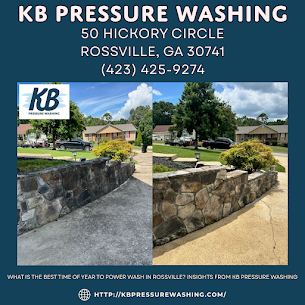
There is also a timing factor with sun and temperature on the day of the work. Choose a morning start when surfaces are cool. Solutions work better, and you avoid flash drying that can leave marks. On hot afternoons, detergents can dry before they finish their job, especially on darker siding and south-facing walls. Late fall and winter still allow cleaning on many days, but give solutions more time to work when the air is cool, and plan for earlier finishes so water has time to dry before temperatures dip at night.
Managing expectations with stains and age
Not every blemish responds. Rust from irrigation or metal fixtures may require a dedicated acid-based cleaner and careful neutralization. Battery acid from a golf cart leaves orange blotches on concrete that lightens but rarely disappears. Old oil stains in porous driveways can ghost for years. Paint overspray needs solvent-based removal, not water. Black mold that has penetrated unsealed wood may require sanding in addition to washing.
Age changes how materials behave. Older vinyl can oxidize and chalk. When you wash it, you clear the chalk, which can reveal uneven fading. That’s not a cleaning failure, it’s the truth of the material. You can avoid streaks with gentle technique and good surfactants, but you cannot make oxidized siding look brand new with water. If you see a powdery residue on your hand when you rub the siding, plan for realistic results. A bright, even clean is likely, but a new-car shine is not.
Mortar that has softened with age can shed under high pressure. Test an inconspicuous area first. If you see sandy runoff, back off and let chemistry do more of the work. Pavers set in polymeric sand may need a lighter hand to avoid disturbing joints. If the sand has already failed, budget for re-sanding after cleaning.
A simple pre-wash checklist homeowners can follow
- Walk the property and note problem areas: heavy algae, oil spots, rust, or fragile paint. Close windows, cover exterior outlets, and move furniture, mats, and planters away from surfaces. Pre-wet plants and cover sensitive shrubs near the work area with breathable fabric. Identify siding type and age, then choose a cleaning method matched to that material. Set aside enough time for dwell and rinse, not just spray and go.
Cost, value, and the curb appeal return
In our market, a professional wash for a typical single-story vinyl home with a standard driveway often falls in the mid to high hundreds, depending on size and soil level. Add a roof treatment and the number rises. DIY costs include the rental or purchase of equipment, chemicals, and your time. The value comes from restoring color and clarity, preventing decay from organic growth, and the way a clean exterior pairs with landscaping and paint to present a well-kept home.
Real estate agents often estimate that strong curb appeal can influence perceived value by a few percentage points. On a home in the 200 to 350 thousand range, that perception matters. More than value, though, there is immediacy: a clean drive and siding make photos pop in listings. Showings feel brighter. People linger at the entry rather than stepping past dirt lines at the threshold.
If you are not selling, clean hardscapes make day-to-day life nicer. Bare feet on a patio feel better when the surface isn’t gritty. Kids track in less grime. You spend time on the porch rather than looking past mildew on the rail.
Trade-offs worth considering
Pressure gives fast results but carries risk on delicate surfaces. Soft wash takes more planning, uses chemistry, and demands care with plants, but it preserves materials and reaches into crevices. Hot water speeds degreasing on concrete and brick, yet is unnecessary and sometimes harmful on siding. Stronger solutions kill growth faster, but they also require more rigorous plant protection and post-rinse. Weigh speed against control, and remember that the goal is a clean, healthy exterior, not a dramatic show of force.
There is also the question of frequency. Wash too often with high pressure and you prematurely age surfaces. Wash too seldom and you let growth anchor itself deep, which means stronger solutions later. In this climate, most homes benefit from a gentle cleaning once a year, with spot treatments in shaded areas. Driveways vary by traffic and shade, from every six months near trees to eighteen months in full sun.
Small decisions that make a big difference
Angle matters. Aim downward on siding, and keep your pass consistent. Overlap each stroke by a few inches to avoid tiger stripes on concrete. Work from the sunny side to the shade or vice versa based on temperature, not habit. On a cool morning, start in the shade so the solution stays wet. On a warm afternoon, start in the sun while it is still mild, then move to shade as temperatures climb.
Keep a clean water source. If your hose bib filters are clogged, your pressure washer will starve and surge, which makes tip control harder. Swap out worn tips. A deformed orifice turns a fan into a needle and invites damage. Small adjustments like these separate a satisfying clean from a day of chasing streaks.
Working with a local pro: what to ask
It helps to speak the language when you request quotes. Ask which surfaces they will soft wash and which they will pressure wash. Ask for the percentage of sodium hypochlorite they plan to apply on siding, and how they will protect plants. Ask whether a surface cleaner will be used on large concrete areas. If they mention hot water for oil-heavy driveways, that’s a sign they understand how grease responds. If they are cleaning a roof, they should say they use low pressure and a shingle-safe chemical mix, with no walking or minimal walking and proper safety lines.
Confirm insurance and experience with your specific surface. A team that mostly cleans vinyl may not be the right choice for delicate historic brick. A contractor who rinses with a garden hose after applying solution probably won’t cause damage, but the finish may not be as even as someone who balances chemistry and controlled rinsing.
Aftercare: keep the clean longer
Once you have reset the exterior, you can extend the results with simple habits. Trim back shrubs that crowd siding, so air can move and sunlight can reach. Clear gutters and downspouts so water does not cascade over edges and stain fascia. Sweep leaves off patios before they soak and sit. Consider a penetrating sealer for porous surfaces like concrete and pavers. A sealer does not turn a driveway into glass, but it does slow absorption and make the next wash easier.
Watch corners and the north side. Those are the first places growth returns. A quick low-pressure rinse every couple of months in those zones can delay the need for a full wash. Think of it like spot cleaning a carpet instead of calling a truck every time.
A morning in Rossville, start to finish
Picture a typical service call. The truck pulls up around 8:30 on a late May morning, the grass still wet. The crew walks the property with you and flags delicate areas around a hydrangea bed near the porch and a birdbath out back. Hoses run, outlets get taped, and window sashes are checked. Plants are pre-wet. The driveway gets a degreaser on two oil spots left by a visiting car, then a surface cleaner floats smoothly, no whip marks, steady pace. The siding gets a soft wash application from the ground, mist on windows, dwell for a few minutes. A light breeze kicks up, so the applicator adjusts the fan pattern to keep spray off the neighbor’s yard. Rinse follows, low pressure, bottom to top to avoid zebra striping, then a final top-down polish.

By 11:30 the driveway is bright again, the vinyl reads as its intended color, and the eaves look crisp. The hydrangeas are still perky. You find one rust drip under a hose hanger that will need a special cleaner later, and the crew notes it rather than pretending it is gone. This is how a good day feels: quiet competence, small details handled, and a house that looks cared for.
The bottom line for Rossville homeowners
Curb appeal in this corner of Georgia is not a mystery. Clean hardscapes and siding frame your home and let its best features speak for themselves. Our climate feeds growth that dulls those surfaces, but gentle washing with the right chemistry and technique reverses it. Whether you take on a weekend project or bring in a professional, plan the work, respect the materials, and protect the landscape.
If you start with the obvious wins, driveway and entry, then move to siding and trim, you will see a lift that rivals a fresh coat of paint for a fraction of the cost. Repeat at a rhythm that matches your shade and traffic, usually once a year. Ask good questions if you hire out, and favor steady hands over brute force. Your home will meet the street with confidence again, which is what curb appeal is really about.